Optimal Timing for Fire Damage Removal
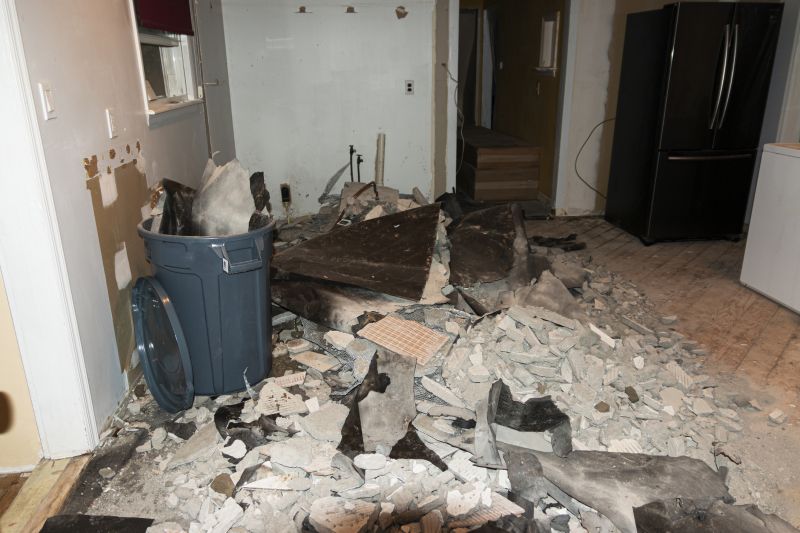
Conducting fire damage removals during daylight hours allows for better assessment and thorough cleaning.
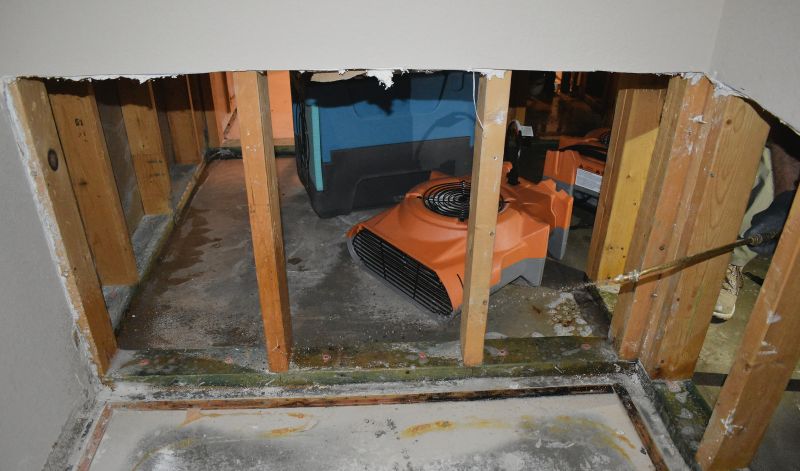
Warmer months facilitate quicker drying and reduce mold risks after fire damage cleanup.
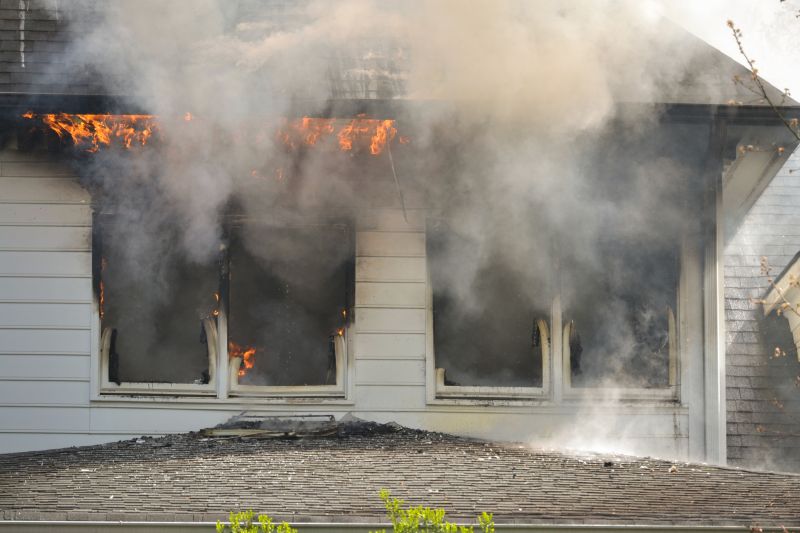
Prompt action is crucial to prevent further damage and mitigate structural issues.
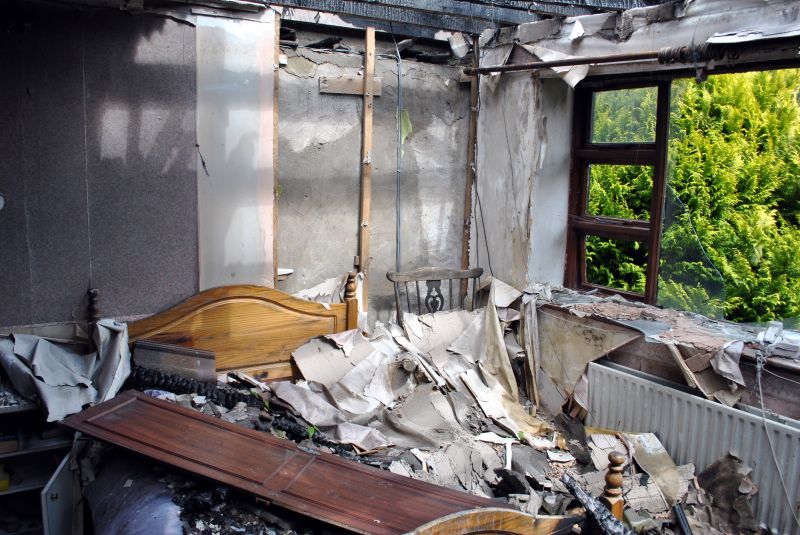
Ways to make Fire Damage Removals work in tight or awkward layouts.
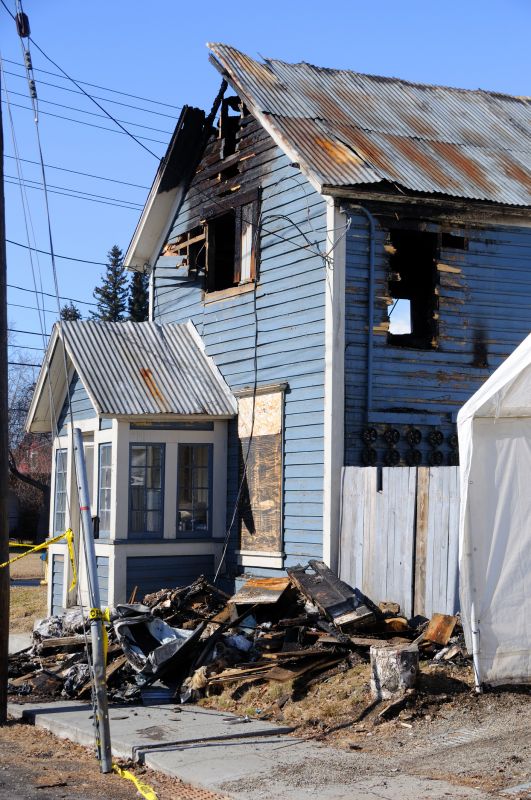
Popular materials for Fire Damage Removals and why they hold up over time.
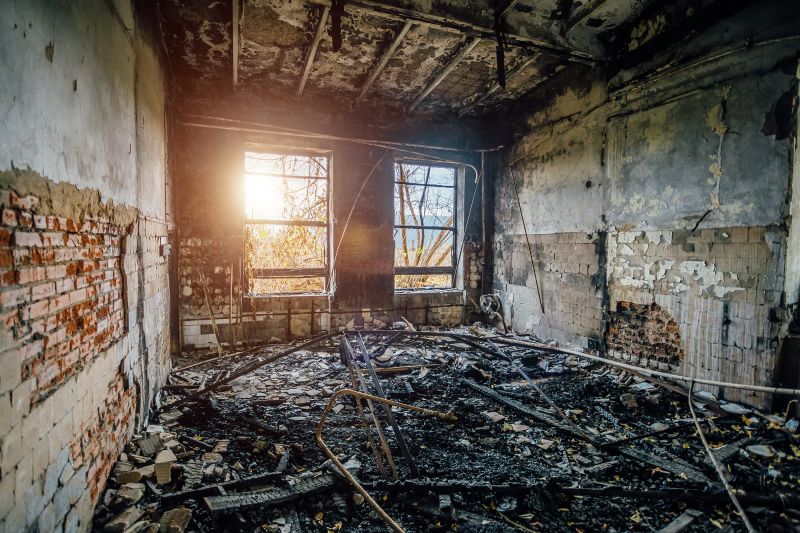
Simple add-ons that improve Fire Damage Removals without blowing the budget.
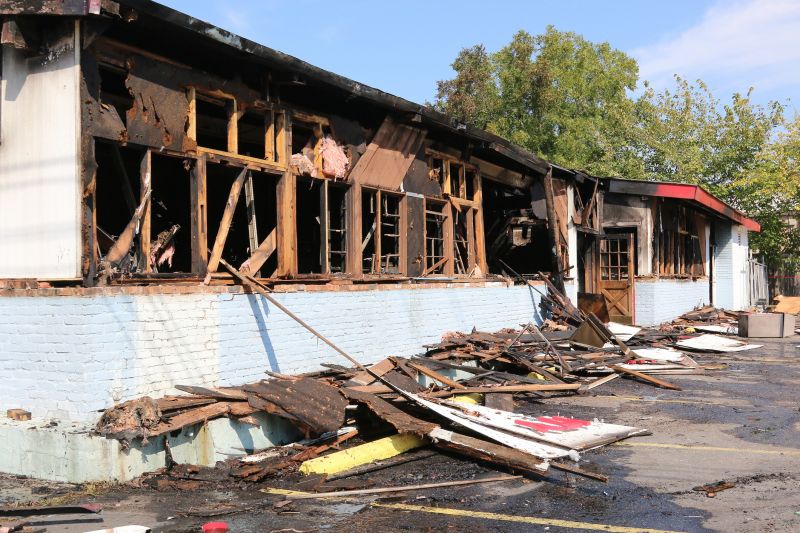
High-end options that actually feel worth it for Fire Damage Removals.
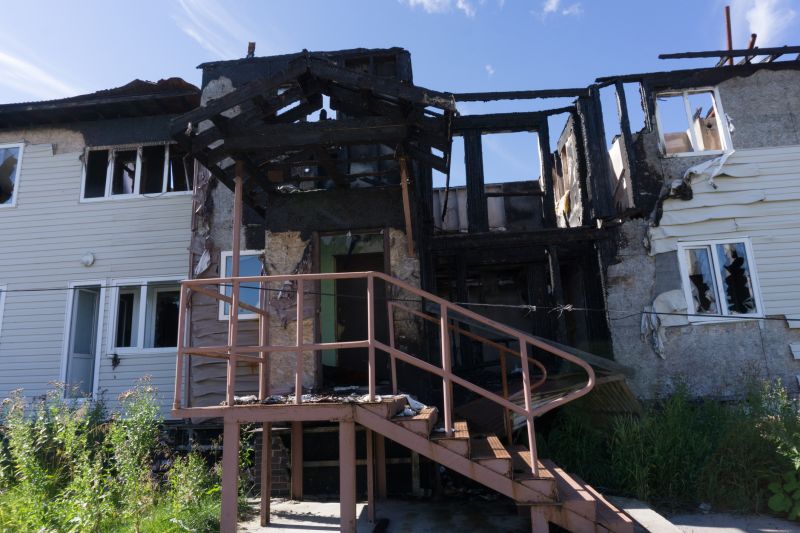
Finishes and colors that play nicely with Fire Damage Removals.
Quick action helps prevent further deterioration and reduces restoration costs.
Weather, property condition, and severity of fire damage determine the best timing for removal efforts.
Reduces health risks, limits smoke odor absorption, and preserves structural integrity.
Dry weather accelerates cleaning and drying processes, leading to faster restoration.
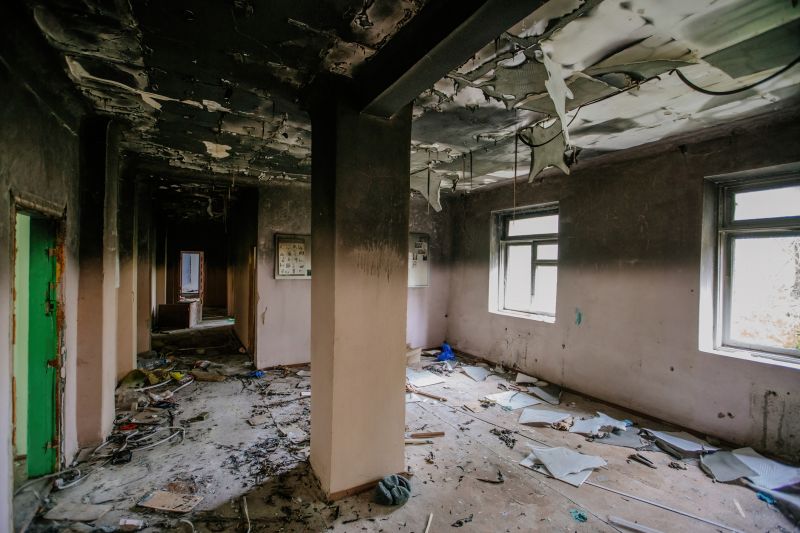
Specialized tools used for efficient removal of soot and debris.
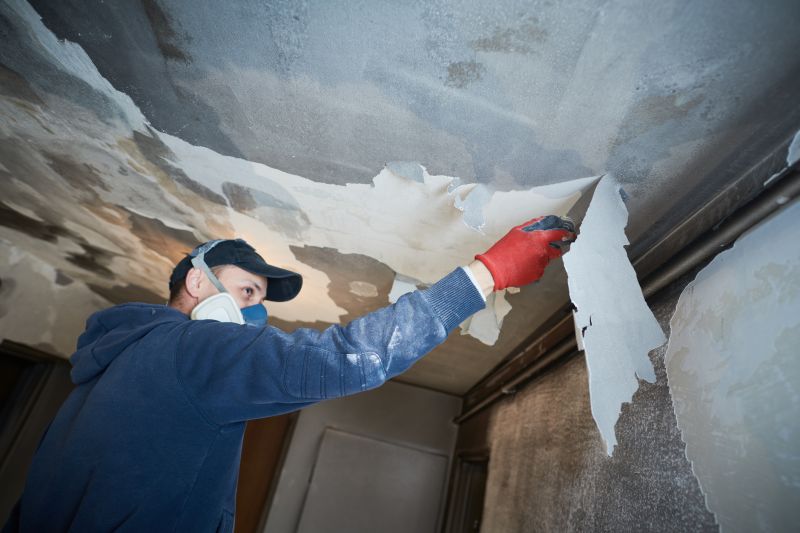
Workers performing structural repairs after fire damage removal.
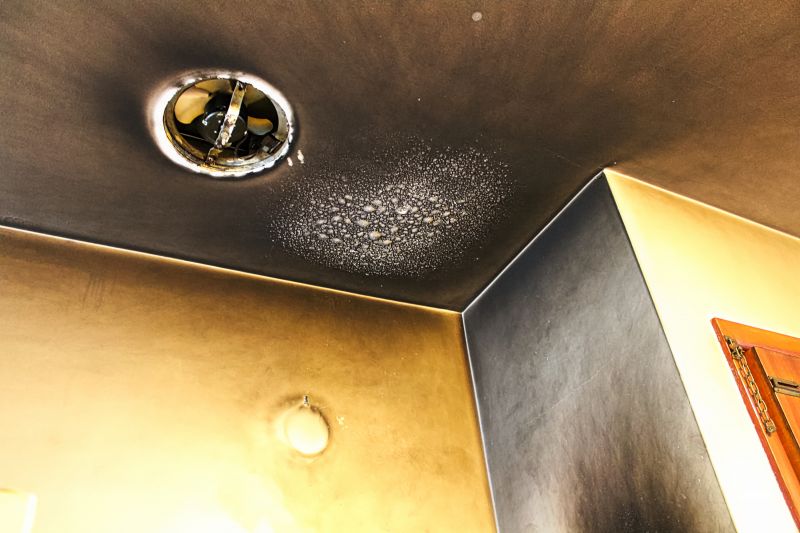
Techniques to eliminate persistent smoke smells from affected areas.
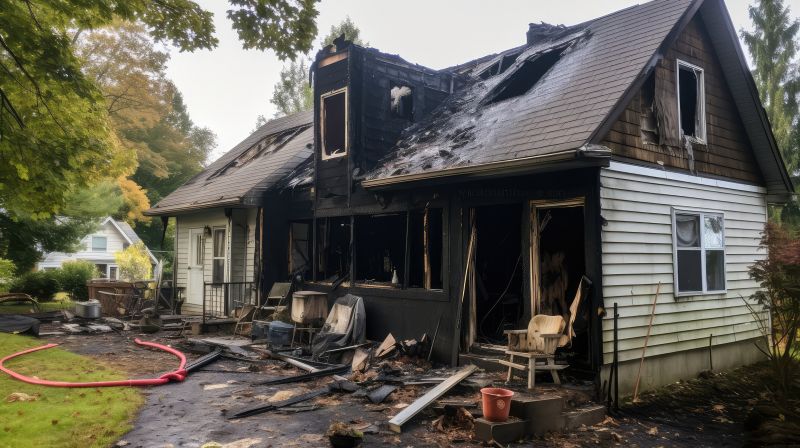
Final checks to ensure complete removal and safety of the property.
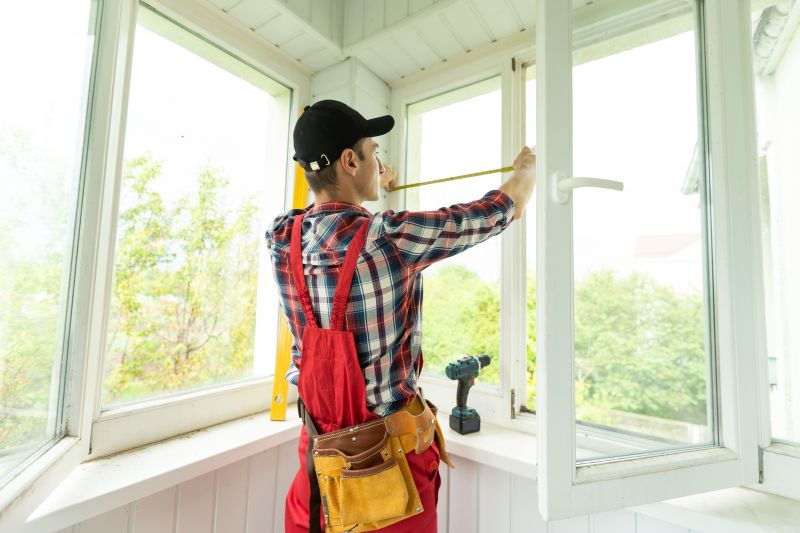
Little measurements that prevent headaches on Fire Damage Removals day.
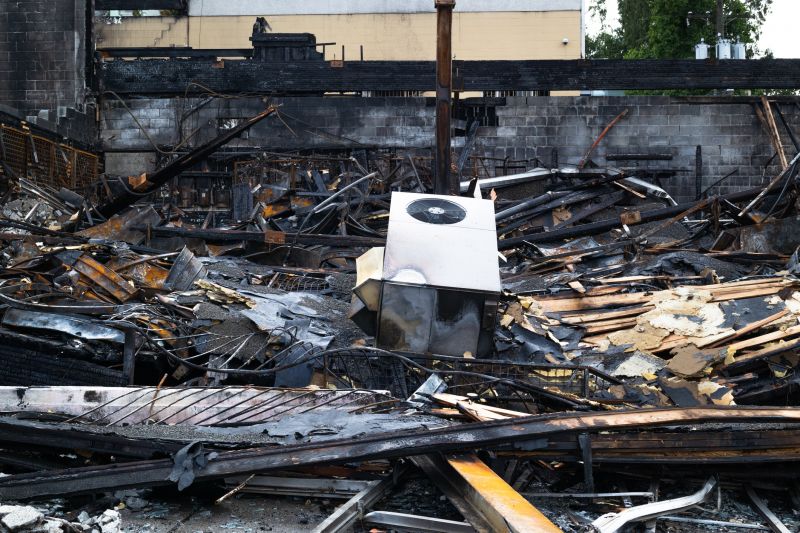
A 60-second routine that keeps Fire Damage Removals looking new.
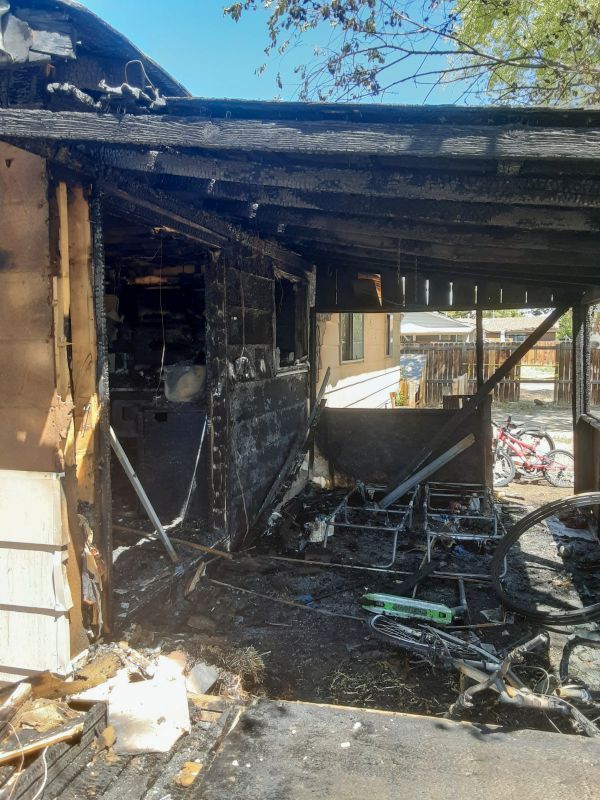
A frequent mistake in Fire Damage Removals and how to dodge it.
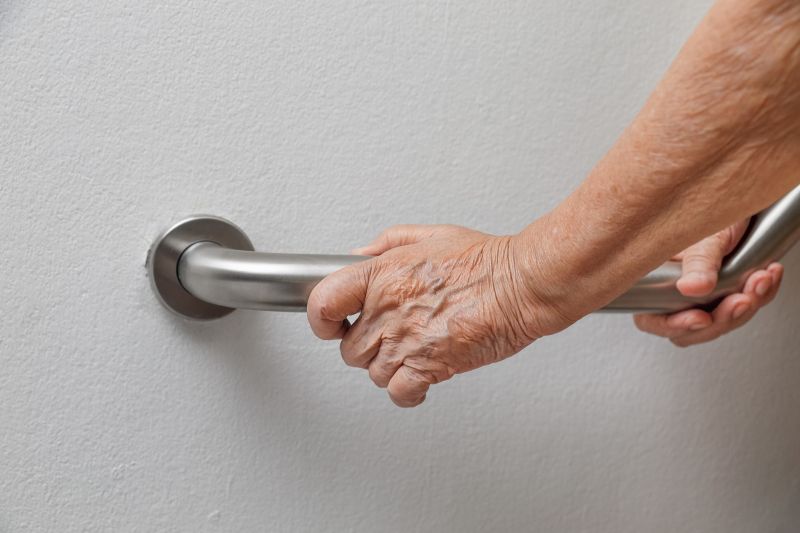
Small tweaks to make Fire Damage Removals safer and easier to use.
| Timing Aspect | Details |
|---|---|
| Immediate Response | Reduces secondary damages and limits smoke penetration. |
| Dry Season | Facilitates faster drying and mold prevention. |
| Post-incident Assessment | Determines extent of damage and optimal removal timing. |
| Weather Conditions | Low humidity and mild temperatures are ideal. |
| Structural Stability | Ensure building safety before beginning removal. |
| Availability of Resources | Scheduling when necessary equipment and personnel are accessible. |
Effective fire damage removals require timely intervention aligned with environmental conditions and property needs. Delays can lead to increased costs, health hazards, and prolonged recovery times. Proper planning and immediate action are essential to mitigate the impact of fire incidents and restore properties efficiently.
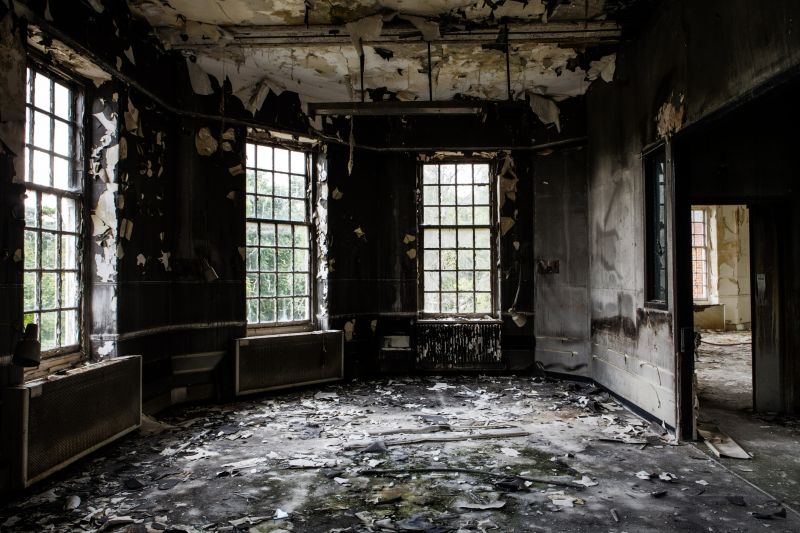
Specialists preparing for cleanup after fire damage assessment.
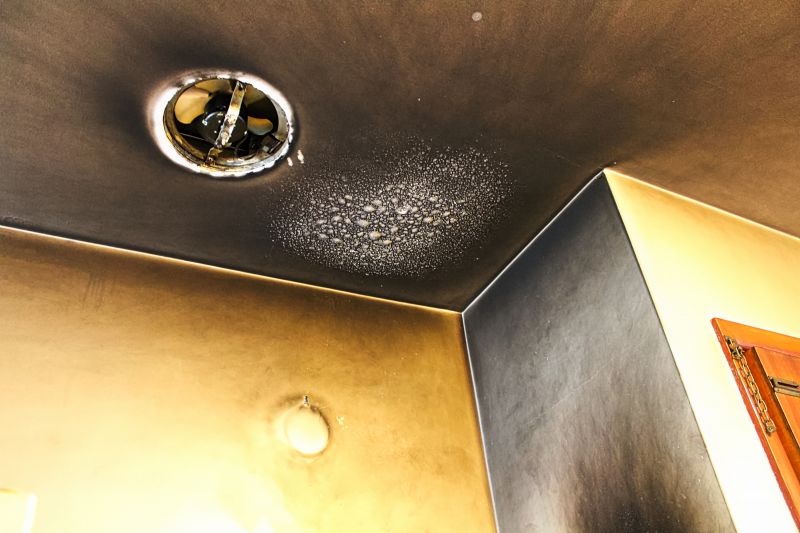
Workers removing soot from walls and surfaces during optimal conditions.
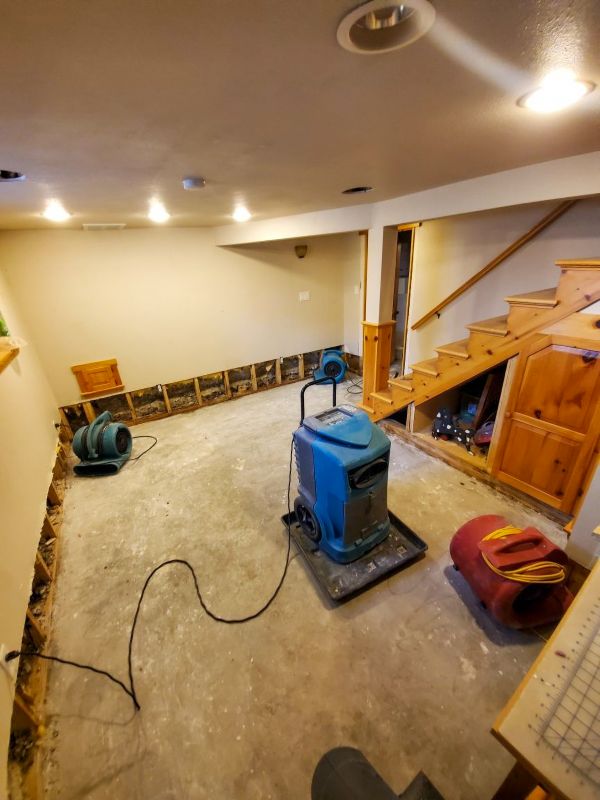
Dehumidifiers and fans used to dry out affected areas quickly.
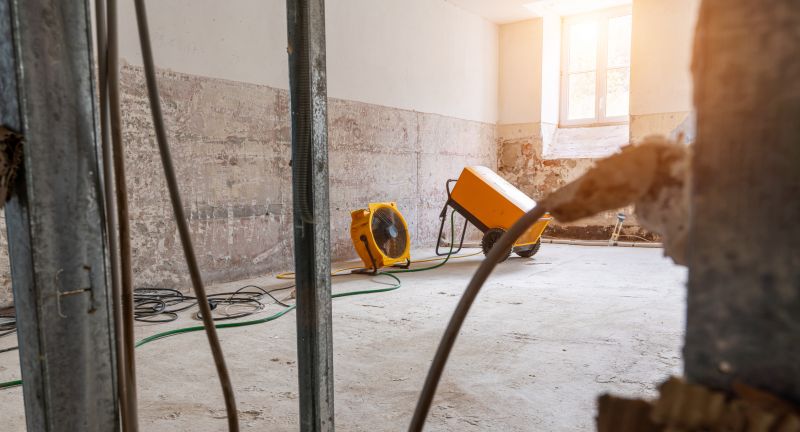
Lower-waste or water-saving choices for Fire Damage Removals.
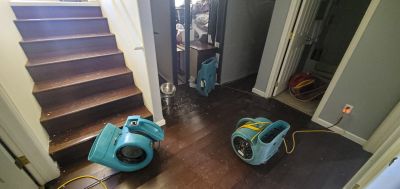
The short, realistic tool list for quality Fire Damage Removals.
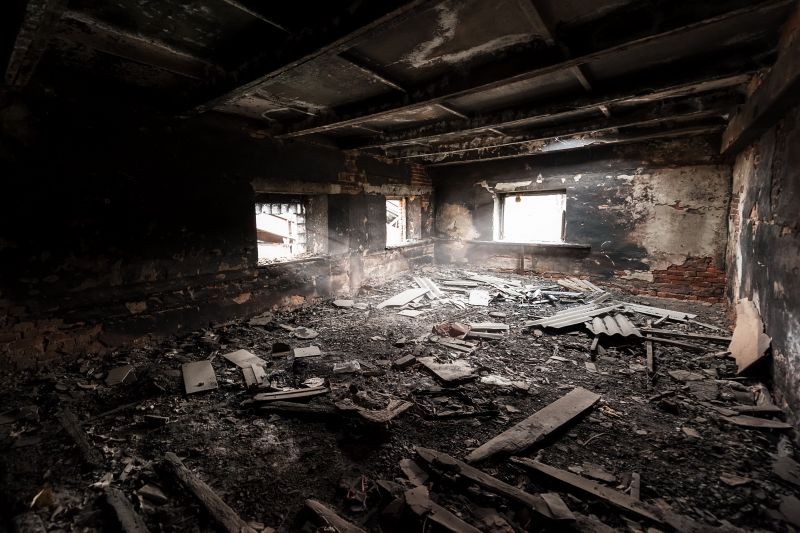
Rough timing from prep to clean-up for Fire Damage Removals.
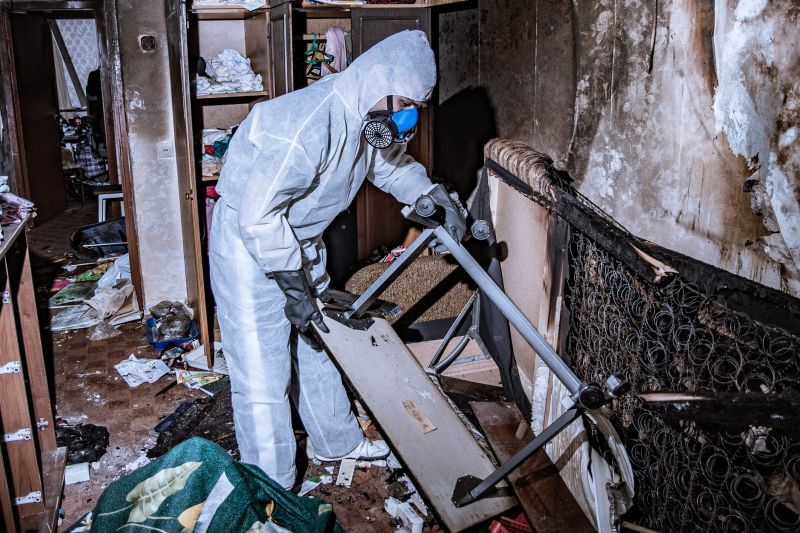
Quick checks and paperwork to keep after Fire Damage Removals.
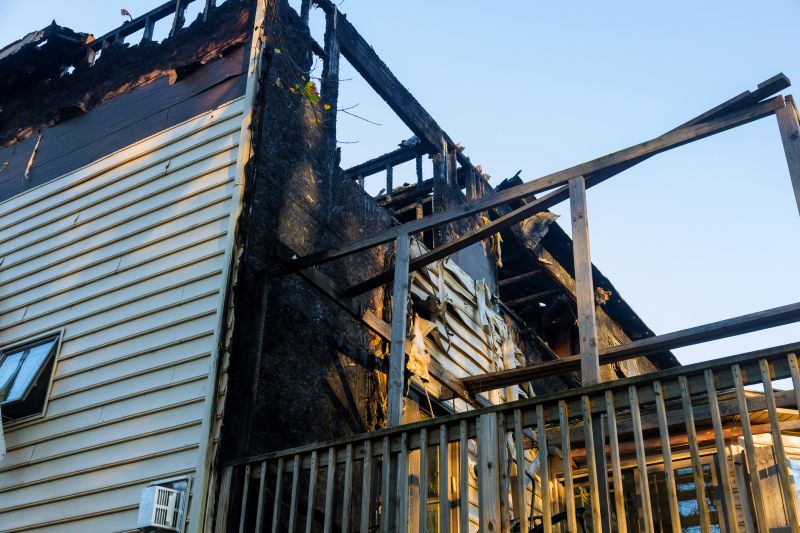
Examples that show the impact a good Fire Damage Removals can make.
Interested in fire damage removals? Filling out the contact form can provide more information and help coordinate timely restoration efforts to minimize damage and restore safety.