
Popular Fire Damage Removals Products For Quick Restoration
Find out which tools and materials are favored for fast and effective fire damage cleanup and property recovery.
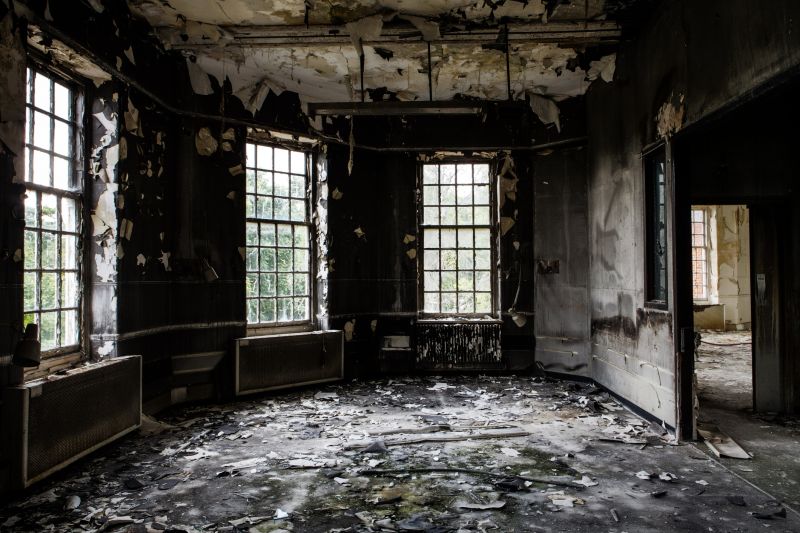 Fire damage can cause significant challenges in restoring a property to its original condition. The aftermath often involves dealing with soot, smoke residues, structural damage, and lingering odors. Effective fire damage removal products are essential tools for professionals and homeowners alike to address these issues safely and efficiently. These products are designed to clean surfaces, neutralize odors, and help restore the integrity of affected areas. Choosing the right equipment and supplies can make a substantial difference in the restoration process, ensuring thorough cleaning and minimizing future complications.
Top Overall Option
Multi-Purpose Fire Damage Restoration Kit
This comprehensive kit includes a selection of cleaning agents, deodorizing sprays, protective gear, and tools designed specifically for fire damage cleanup. It offers versatility for various surfaces and residues, making it suitable for both professional restorers and serious DIYers. The kit's diverse components facilitate thorough cleaning, odor neutralization, and surface restoration, helping users address multiple aspects of fire damage effectively.
Types of Products For Fire Damage Removals
Soot and Smoke Residue Cleaners
Specialized solutions formulated to break down soot and smoke deposits on walls, ceilings, and surfaces, ensuring effective removal without damage.
Odor Neutralizing Sprays
Products designed to eliminate lingering smoke odors from fabrics, carpets, and air spaces for a fresher environment.
Industrial Degreasers
Heavy-duty cleaners capable of tackling greasy residues left by smoke and soot on various surfaces.
HEPA Vacuum Cleaners
High-efficiency vacuums used to remove fine soot particles from surfaces and air filters safely and effectively.
Surface Sealants and Primers
Sealants that prevent soot and smoke stains from penetrating deeper into surfaces, facilitating easier cleaning.
Protective Gear and Masks
Personal protective equipment essential for safe handling of hazardous residues and chemicals during cleanup.
Cleaning Wipes and Cloths
Pre-moistened wipes and microfiber cloths designed for quick and effective surface cleaning.
Deodorizing Foggers
Devices that disperse deodorizing agents throughout a space to neutralize pervasive smoke odors.
Structural Repair Adhesives
Strong adhesives used to repair and reinforce damaged drywall, wood, and other structural elements.
Moisture Meters
Tools to detect hidden moisture that can lead to mold growth after fire damage restoration.
Air Purifiers with HEPA Filters
Air filtration devices that help remove soot particles and smoke odors from indoor environments.
Heavy-Duty Scrub Brushes
Durable brushes designed for scrubbing soot and smoke residues from tough surfaces.
Fireproof Storage Containers
Secure containers for storing sensitive documents and items affected by fire and smoke.
Thermal Imaging Cameras
Devices used to detect hidden hotspots and moisture intrusion in fire-damaged structures.
Cleaning Solutions for Electronics
Specialized products formulated to safely clean soot and smoke residues from electronic devices.
Popular Choices
Commonly used solutions for removing soot and smoke stains from various surfaces.
Trending products for neutralizing persistent smoke odors in homes and commercial spaces.
Widely favored for their ability to trap fine soot particles during cleanup.
Popular devices for widespread odor neutralization after fire incidents.
Effective for sealing surfaces to prevent smoke stains from setting in.
Essential safety equipment frequently used by professionals during fire damage restoration.
Powerful cleaners for heavy soot and grease residues on various surfaces.
Convenient wipes for quick surface cleaning and soot removal.
Tools for assessing moisture levels to prevent mold growth post-restoration.
Devices used to improve indoor air quality by removing soot and smoke particles.
Popular for manual cleaning of soot from hard surfaces.
Trusted for safeguarding important documents during restoration.
When selecting products for fire damage removal, it is important to consider the specific types of residues and damage present. For example, soot and smoke residues require specialized cleaning agents that can break down stubborn deposits without damaging surfaces. Odor neutralizers are also vital to eliminate persistent smells that can linger long after the visible damage has been addressed. Additionally, protective gear and safety equipment are crucial for ensuring safe handling of hazardous residues and chemicals during the cleanup process.
Professional-grade products often include a range of cleaning solutions, scrubbers, and deodorizing agents tailored to different materials such as drywall, wood, fabric, and metal. For effective fire damage remediation, it is recommended to combine these products with proper techniques and equipment, such as high-efficiency particulate air (HEPA) vacuums and industrial cleaners. Proper training and adherence to safety guidelines are essential to prevent health risks and ensure comprehensive restoration. Whether dealing with minor fire stains or extensive damage, having the right products on hand can facilitate a more efficient and safer cleanup process.
Key Buying Considerations
- Identify the specific types of residues and damage to select appropriate products.
- Consider the surfaces and materials involved in the cleanup to choose compatible solutions.
- Ensure safety gear and protective equipment are included to handle hazardous residues safely.
- Look for products with clear instructions and safety warnings for proper usage.
- Evaluate the effectiveness of odor neutralizers for long-lasting freshness.
- Opt for versatile cleaning agents that can be used on multiple surfaces and materials.
- Check for compatibility with existing cleaning equipment like vacuums and sprayers.
- Prioritize products with proven performance in removing soot and smoke residues.
- Assess the drying and curing times to plan the restoration timeline effectively.
- Consider the size and quantity of products to match the scale of fire damage.
- Review customer feedback and ratings for insights into product reliability.
- Determine if additional tools, such as moisture meters or thermal cameras, are needed.
- Budget considerations should include both initial purchase and ongoing supplies.
- Availability of technical support or customer service can be beneficial for complex restorations.
- Ensure compliance with safety regulations and standards relevant to fire damage cleanup.
This content contains affiliate links and may earn commissions to support ongoing content creation. All product suggestions are based on informational value and neutrality.